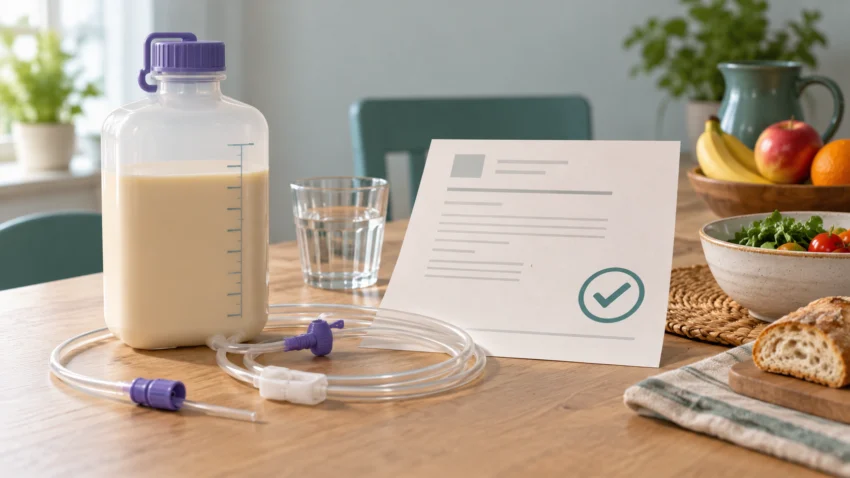
Buying a nutritional drink after an informal recommendation does not make it eligible for public funding. The medical nutrition benefit is narrower: it covers diet therapy for specified congenital metabolic disorders and home enteral nutrition where a patient’s clinical condition prevents ordinary food from meeting nutritional needs.
In the Valencian Community, a covered product must be issued on an official prescription and carry health authorisation. It must also be recognised as a food for special medical purposes and appear in the National Health System’s funded product list. Sale through a pharmacy, or a nutritional claim on the packaging, does not establish eligibility.
This is not a cash allowance for a special diet
Access is based on health criteria, not income or the cost of groceries. The rules require ordinary food to be insufficient, the treatment to offer improved quality of life or possible recovery, benefits to outweigh risks and the treatment to undergo periodic review.
Eligible situations include severe swallowing or transit problems, neuromotor disorders preventing normal eating, special energy or nutrient requirements, and certain diseases accompanied by severe malnutrition. The service portfolio lists specific conditions. A diagnosis alone does not guarantee funding unless the remaining clinical requirements are met.
The indication starts in hospital care
Diet therapy is indicated by specialists in authorised hospital units. Home enteral nutrition is prescribed by specialists attached to hospital nutrition units, or other clinicians designated by the health service. Primary care can identify weight loss, dysphagia or problems at home and refer the patient, but adding a commercial product to general advice does not make it fundable.
The Valencian pathway connects prescribing, inspection approval and dispensing. After a hospital discharge, the family therefore needs clear instructions on the formula, amount, duration, administration equipment and follow-up. If approval is missing, tolerance changes or the supply differs from the plan, the prescribing unit or departmental pharmacy service is the point of contact; the formula should not be replaced without clinical advice.
Equipment is part of the care plan
The national portfolio includes consumable equipment needed to administer home enteral nutrition, while each health service organises the practical supply process. Tubes, delivery sets and related components should not be improvised: their use, replacement and storage form part of the clinical training given to the patient or carer.
Treatment is reviewed because swallowing ability, weight, tolerance and the underlying condition can change. A change in formula, route or amount needs professional assessment. The next useful date is not when the containers run out, but the review recorded in the clinical report—or earlier contact if intolerance, a blocked delivery system or weight loss occurs.