Betxí lies in the Plana Baixa district at the foot of the Serra d’Espadà. Its appeal is not a generic checklist of sights. A useful visit follows a clear story: a medieval stronghold converted into a Renaissance noble residence, the historic streets and parish church, and then the small hill of Sant Antoni overlooking the cultivated landscape. The route below separates places that can be seen freely from interiors whose opening must be checked.

Why the Palau-Castell matters
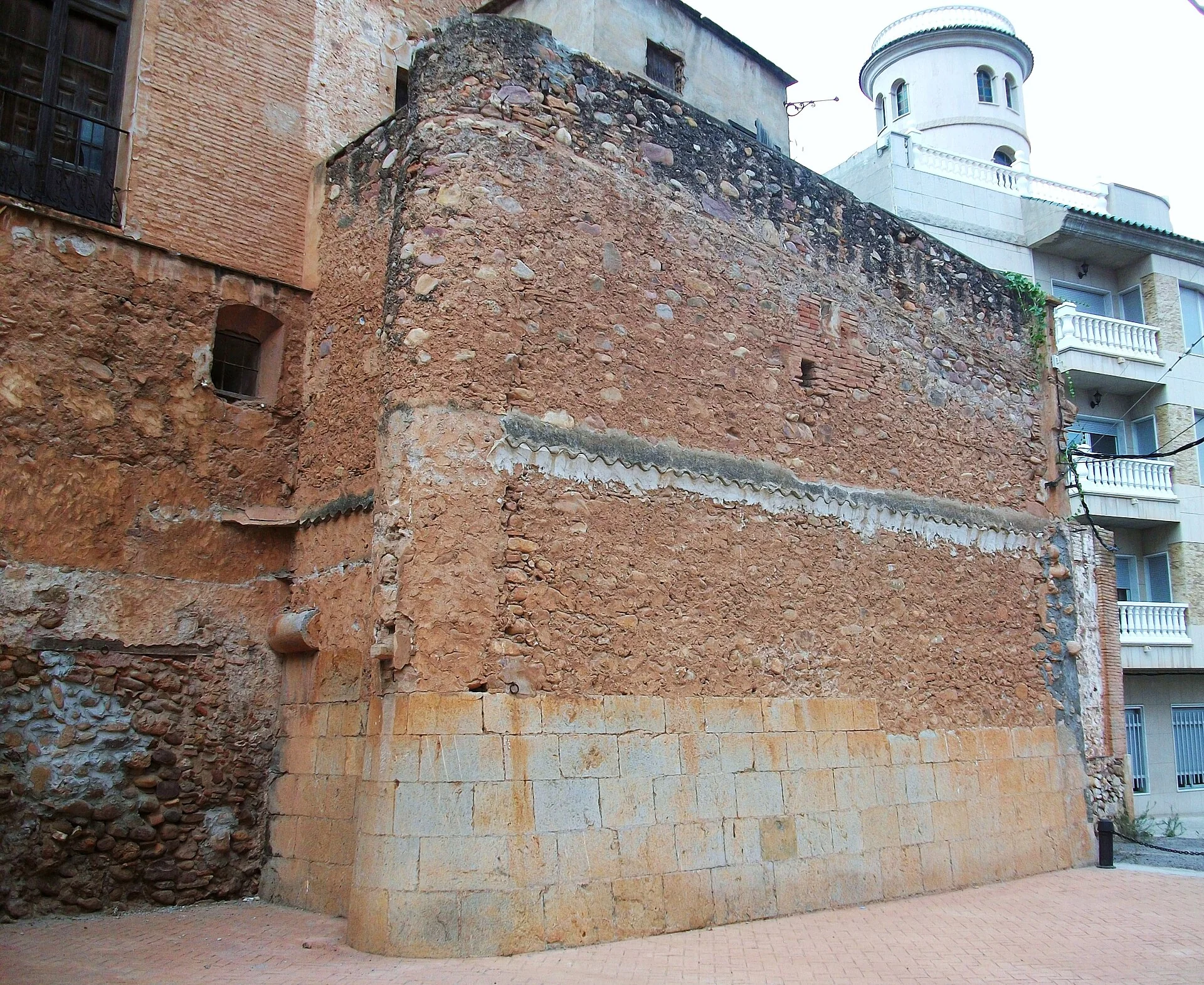
The Betxí Palau-Castell has been protected as a Site of Cultural Interest since 1997. Its fabric records several periods: a fortified medieval origin, a noble residence developed in the fifteenth and sixteenth centuries, and domestic alterations made in the nineteenth century. The Renaissance cloister is attributed to Joan d’Ambuesa and has low arches resting on Ionic columns. Its rusticated ashlar doorway follows models circulated by Sebastiano Serlio, giving the building an identifiable architectural character rather than the vague label of “old castle”.
Modern restoration has recovered the courtyard, doorway, Gothic rooms, a vaulted hall and part of the former bastion. An architectural mirror suggests the missing half of the cloister; it is an interpretation device, not surviving historic masonry. The council states that the ground-floor cloister normally has daily morning access, while groups, additional rooms and cultural activities require checking the programme or contacting the cultural service. Confirm current access before travelling because events and works can change the arrangement.
The parish church and Calvary
From the palace, walk through the centre to the church of Mare de Déu dels Àngels. The official Valencian tourism profile describes it as a seventeenth-century Baroque church on a site previously occupied by a smaller church and, before that, a mosque. This sequence gives context to the development of the town centre. The exterior can be included in any walk; entry depends on worship and opening times and should never be assumed.
The next stop is the Calvary, a chapel and public garden that provides a quiet transition from the old centre towards its edge. This is an urban walk rather than a mountain hike. Taken together, the palace, church and Calvary show three distinct functions: noble power, religious life and a landscaped place for reflection and walking.
Sant Antoni and the Solaig landscape
The small hill and chapel of Sant Antoni introduce the agricultural surroundings and the first slopes associated with Espadà. Betxí’s official tourism plan also identifies the Iberian settlement of El Solaig, the Sant Antoni archaeological area and the traditional pilgrimage. Archaeological value does not mean that every remain is open to visitors: stay on authorised paths, do not move stones and never enter cultivated or enclosed land.
Bring water, sun protection and shoes with reliable grip. Early morning is preferable in summer, and the surface may need reassessment after rain. Sant Antoni traditions include local cured meats and coca d’oli i sal, a savoury flatbread. Anyone hoping to try them should check local businesses and seasonal availability rather than treating a festival tradition as a guaranteed daily menu.
A realistic day plan
- Morning: begin at the Palau-Castell and allow time to read the cloister, doorway and visible building phases.
- Midday: walk through the centre to Mare de Déu dels Àngels and continue to the Calvary.
- Afternoon: in suitable weather and daylight, extend the visit to Sant Antoni and the Solaig surroundings.
The municipal Ethnological Museum can add local context, but the regional tourism information says that visits are by appointment. For a short stay, the palace and town walk are already a complete programme; Sant Antoni works best as an optional extension rather than a rushed compulsory stop.
Before you go
- Check the council’s Palau-Castell page for current access and programmed visits.
- Use the Castellón tourism profile for updated destination information.
- Do not equate an accessible exterior with an open church or museum interior.
- At Sant Antoni, respect crops, private property, marked paths and fire restrictions.
Places to combine with Betxí
A longer Plana Baixa and Espadà route could include Borriana and its coast, the landscape and heritage of Artana, or a separate day in Eslida. Our municipality finder helps plan further stops without turning this local guide into a list of unrelated towns.
Sources and editorial scope
This guide was checked against the Betxí council, Turisme Comunitat Valenciana, Castellón tourism and the municipal tourism plan. Administrative naming and location are cross-checked with Spain’s National Statistics Institute. Opening, events and access can change; current notices and on-site signs always take precedence.
The editing date records changes to the text, not a new check of opening hours, telephone numbers or accessibility. Specific verification dates, where recorded, appear beside the relevant information.