Skip to content

València Informada

Practical guides, open data and official sources to better understand Valencia and the Valencian Community.

  • Guides
    • Services
    • Practical guides
  • Health
    • Health-centre directory
  • Mobility
  • Data
    • Open data
    • Municipalities
    • Tourist accommodation
    • DANA
  • Tourism
    • Tourism and culture
    • Municipality guide
  • News
  • ESCAEN
  1. Home
  2. Castellon
  3. Sot de Ferrer: San Antonio hermitage, Calvary and Palace
Tourism guide

Sot de Ferrer: San Antonio hermitage, Calvary and Palace

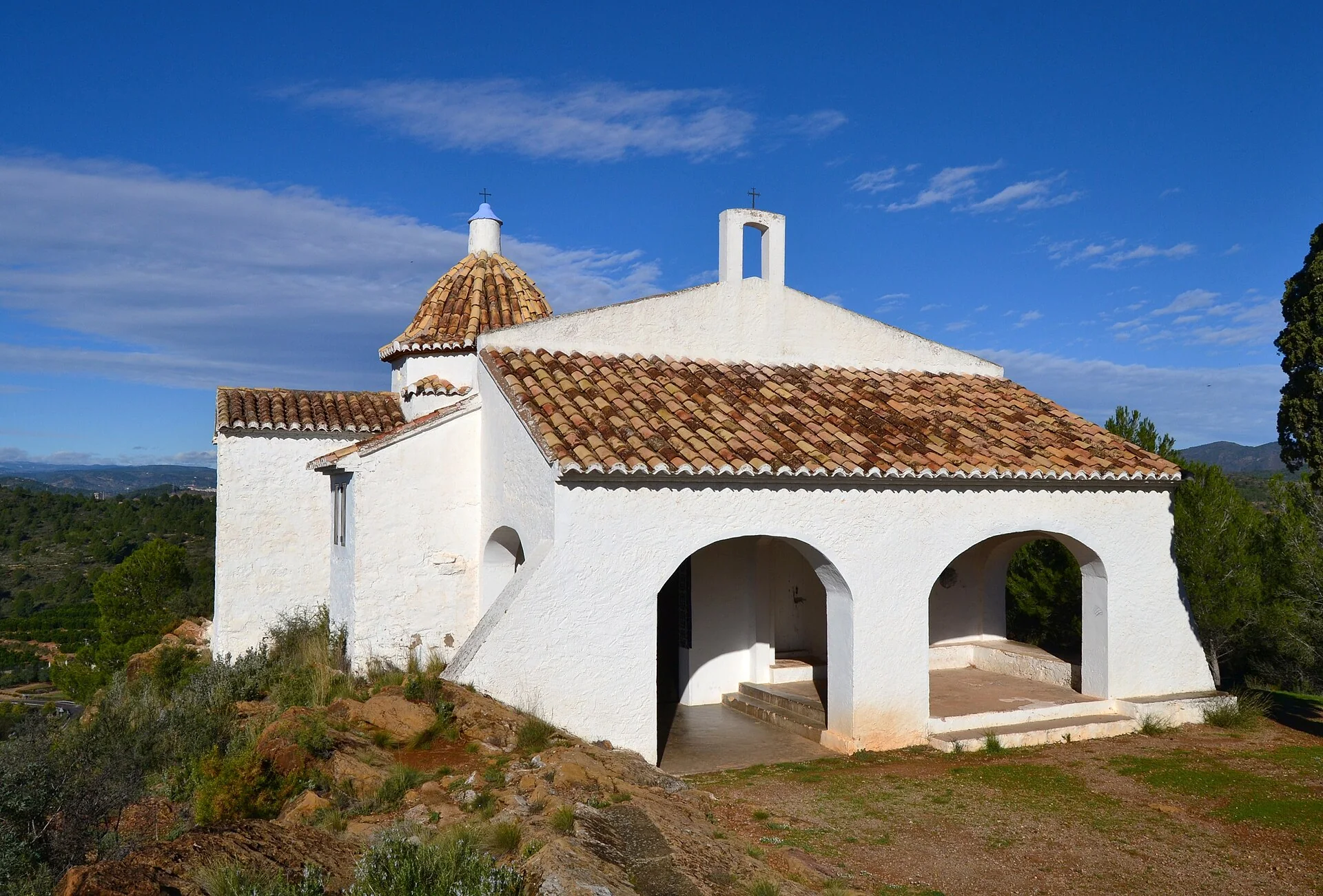
The photograph shows San Antonio de Padua hermitage, not the complete Calvary route. This guide separates the hilltop site from the palace in town.

2 September 2024 2 min read Text edited 2 Sep 2026
Sot de Ferrer
GuideDataHealthNews
  1. The hermitage is documented from 1681
  2. The Calvary is a later, distinct route
  3. The Palace of the Lord belongs to the church square
  4. Related guides and local data
  5. Sources consulted

San Antonio de Padua hermitage above Sot de Ferrer
San Antonio de Padua hermitage above Sot de Ferrer · Joanbanjo · CC BY-SA 3.0

The photograph shows San Antonio de Padua hermitage above Sot de Ferrer. Its whitewashed volumes, tiled roofs, arched porch and dome can be seen against the landscape. The Calvary’s full zigzag route does not appear.

The hermitage is documented from 1681

The monument record places the church on Monte de San Antonio and documents its existence in 1681. It describes a Latin-cross plan, chancel, crossing and dome with Churrigueresque decoration. The photograph identifies the exterior but cannot confirm access inside.

The Calvary is a later, distinct route

The regional tourism authority dates the start of the Way of the Cross to 1801 and describes a white zigzag path climbing the hillside to the hermitage. Although they form one landscape ensemble, the church and route are not the same element and neither is fully represented by this frame.

The Palace of the Lord belongs to the church square

The protected palace retains architecture from the late 13th century and Gothic details from the 14th and 15th centuries. Its large-voussoir doorway, courtyard and rooms stand in the village, separate from Monte de San Antonio.

This documentary edit identifies the visible hermitage and distinguishes the Calvary and palace. It does not verify worship, interior, dome, stations, gradient, path, palace, rooms, condition, hours, parking or accessibility on site.

Related guides and local data

  • Teresa
  • Soneja
  • Torás
  • Municipality guide finder

Sources consulted

  • Turismo de Castellón — ermita de San Antonio de Padua
  • Turisme Comunitat Valenciana — ermita de San Antonio y Calvario
  • Turismo de Castellón — Palacio del Señor

Documentary sources consulted on 2 September 2026. This is not an on-site inspection or a full check of opening hours, telephone numbers or accessibility. Any visiting conditions mentioned come from the linked sources.

Share on social media
x facebookwhatsapptelegram
Follow us on social media
x

You may also be interested in

Nearby municipalitiesAlgimia de AlmonacidNearby municipalitiesAlmedíjarNearby municipalitiesAltura

València Informada editorial team. Published on 2/09/2024 and updated on 2/09/2026.

Informational content based on public sources. València Informada is not an official website and does not replace the competent public administration.

The editing date records changes to the text, not a new check of opening hours, telephone numbers or accessibility. Specific verification dates, where recorded, appear beside the relevant information.

València Informada

Independent citizen portal with practical guides, open data, local news and official sources from Valencia and the Valencian Community.

Guides

Practical guidesArchiveLatest newsContact

Transparency

About usAbout the siteEditorial policySources usedCorrections

Legal

Legal noticePrivacyCookies
©2026 València Informada