Want to advertise?

Promote your business or project for just €2 per month.

Learn more →
Skip to content

València Informada

Practical guides, open data and official sources to better understand Valencia and the Valencian Community.

Menu
  • Home
  • Guides
    • Services
    • Practical guides
  • Bulletins
    • Archive
    • Bluesky Valencia
    • Official updates
    • Citizen bulletins
  • Health
    • Health-centre directory
  • Mobility
  • Data
    • Open data
    • Municipalities
    • Tourist accommodation
    • DANA
  • Tourism
    • Tourism and culture
    • Municipality guide
  • About
  • Contact
  • ESCAEN
Menu
Tourism and culture

Callosa de Segura guide: San Martín, Hemp Museum and the sierra

A practical Callosa de Segura guide covering San Martín Church, the Hemp Museum, the old centre and the SL-CV 175 route through La Pilarica and the sierra.

2 September 2024 4 min read Updated 28 Jul 2026
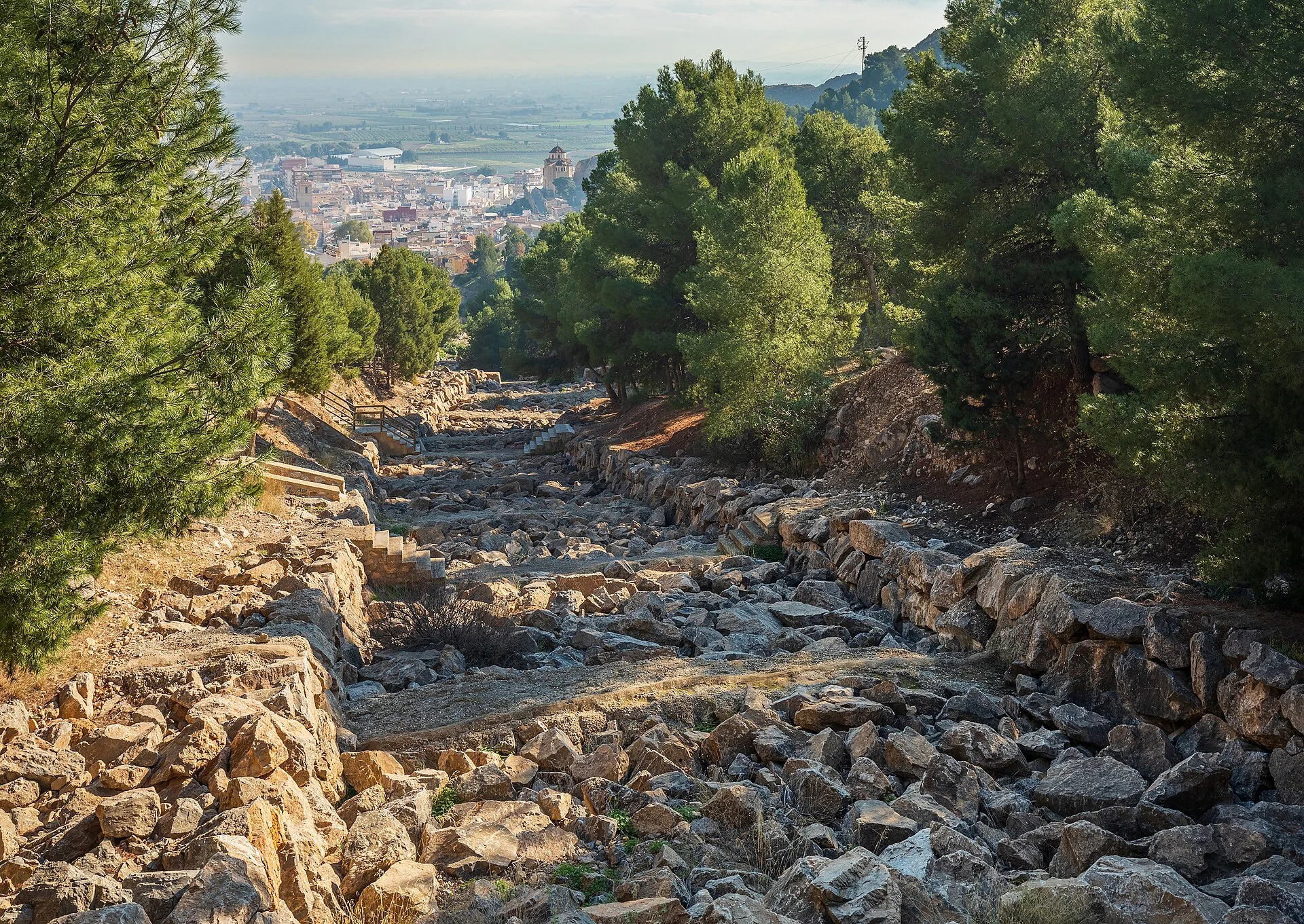
Sierra de Callosa en Callosa de Segura, Alicante

On this page

  1. What to see in Callosa de Segura
  2. La Pilarica and Sierra de Callosa
  3. A half-day itinerary
  4. Local food and nearby towns
  5. Frequently asked questions
  6. Official sources and planning
  7. Tourist accommodation and checks before visiting

Callosa mountain range in Callosa de Segura, Alicante province
Ximonic (Simo Räsänen) · CC BY-SA 4.0

Callosa de Segura brings two very different landscapes into a compact area: the urban centre of the Vega Baja and the limestone mass rising immediately behind it. This makes it possible to combine Renaissance heritage, the industrial memory of hemp and a marked trail along the foot of the sierra, while keeping the walking route distinct from technical mountain activities.

What to see in Callosa de Segura

Archpriest Church of San Martín

San Martín is the city’s most important historic building. The present church replaced earlier structures and its principal building work was completed in 1553, although later additions introduced features from other periods. This development accounts for its Gothic, Renaissance, Baroque and Neoclassical elements. It is protected as a national historic-artistic monument and remains a place of worship, so interior visits must respect opening times and services.

Old centre and Real Pósito

The surrounding streets reveal the historic layout between the church and the hillside. Real Pósito recalls the institution that stored grain and supported farming; rather than an isolated landmark, it links the urban centre with the market-garden economy of the Vega Baja. The route also includes religious buildings such as San Roque Sanctuary and the Pilar and Dolores chapels, but visitors should confirm access rather than assume their interiors are open.

Roque Francisco Albert Lucas Hemp Museum

The museum explains an industry that transformed the local economy. Its displays follow the full hemp cycle: growing and soaking the plant, breaking and preparing the fibre, spinning, and producing ropes, nets, soles and footwear. It also examines working conditions and the respiratory illness caused by dust in poorly ventilated workshops, giving the subject a social as well as a technical dimension.

Synthetic fibres brought a crisis to the traditional industry in the 1960s, but part of Callosa’s manufacturing knowledge later adapted to new materials. The museum continues to offer demonstrations and visits, although the Town Council asks visitors to confirm in advance with Tourist Info. Booking first is safer than building a day around an opening time that may have changed.

La Pilarica and Sierra de Callosa

La Pilarica-Sierra de Callosa has been a 143.44-hectare Municipal Natural Site since 2005. The steep limestone ridge stands above the alluvial plain and combines geological interest, dry-climate vegetation and archaeological remains. These include the ruins of a castle of Islamic origin on the slope and an old cistern.

SL-CV 175 Laderas de la Sierra trail

The short official option is circular: 3.60 kilometres, 211 metres of ascent and an estimated walking time of 1 hour 15 minutes. It passes San Roque Sanctuary, La Pilarica, remains connected with local hemp workers, the cistern and the castle, while opening views across the market gardens of the Vega Baja.

The distance is short, but the ascent and mountain surface still require suitable footwear, water and avoidance of the hottest hours. The via ferrata on the sierra is a separate technical activity requiring specific equipment, skills and a check of current conditions. It should never be added casually to the SL-CV 175 walk.

Sierra de Callosa en Callosa de Segura, Alicante

A half-day itinerary

  1. Start at San Martín and walk through the old streets and the area around Real Pósito.
  2. Visit the Hemp Museum if you have confirmed that it will be open.
  3. Go to the official start of the SL-CV 175 and assess whether conditions allow you to complete the circuit.
  4. Keep additional museums, such as the Archaeological or Holy Week collections, for a full day and confirm those visits too.

Local food and nearby towns

Dishes associated with Callosa include arroz con costra, bacalao meneao, gachas con arrope and pumpkin cakes with honey. Actual availability depends on the restaurant and day. A wider Vega Baja route can use the guides to Catral, Cox and Daya Nueva.

Frequently asked questions

What makes the Hemp Museum distinctive?

It does more than display objects: it follows the process from cultivation to fibre transformed into thread, ropes, nets and footwear, while also explaining working conditions.

Is the SL-CV 175 the same as the via ferrata?

No. The SL-CV 175 is a marked circular walking trail; the via ferrata is a technical activity requiring dedicated equipment and preparation.

How long does the visit take?

The centre and one museum fit into half a day. Allow more time to add the trail comfortably, and confirm the museum visit in advance.

Official sources and planning

  • Callosa de Segura Town Council — San Martín Church
  • Callosa de Segura Town Council — Hemp Museum
  • Callosa de Segura Town Council — SL-CV 175 trail
  • Callosa de Segura Town Council — La Pilarica-Sierra de Callosa
  • Comunitat Valenciana Tourism — Callosa de Segura
  • Municipality guide finder

Tourist accommodation and checks before visiting

This information helps review accommodation, capacity and practical details before planning a visit. Availability, exact address and conditions for any accommodation should always be checked with official sources or with the establishment.

Registered tourist homes

List of tourist homes included in the municipality’s historical information. Always check registration, availability, address and conditions before booking.

VT-488285A

  • Address: BARRIO DE LOS DOLORES S PEDRO, 36, CALLOSA DE SEGURA
  • Capacity: 2 places

VT-508907A

  • Address: CALLE NS SRA DEL PILAR, 84, ESCALERA T, PISO OD, PUERTA OS, CALLOSA DE SEGURA
  • Capacity: 4 places
Share on social media
x facebookwhatsapptelegram
Follow us on social media
x

València Informada editorial team. Published on 2/09/2024 and updated on 28/07/2026.

Informational content based on public sources. València Informada is not an official website and does not replace the competent public administration.

Main sections

  • Official updates
  • Practical guides
  • Open data
  • Mobility
  • Health
  • Tourism and culture

València Informada

Independent citizen portal with practical guides, open data, bulletins and official sources from Valencia and the Valencian Community.

Guides

Practical guidesArchiveBulletinsContact

Transparency

About usAbout the siteEditorial policySources usedCorrections

Legal

Legal noticePrivacyCookies
©2026 València Informada
Manage consent
To provide the best experiences, we use technologies such as cookies to store and/or access device information. Consent to these technologies will allow us to process data such as browsing behaviour or unique IDs on this site. Not consenting or withdrawing consent may negatively affect certain features and functions.
Functional Always active
Technical storage or access is strictly necessary to enable the use of a service explicitly requested by the user or to transmit a communication over an electronic communications network.
Preferences
Technical storage or access is necessary to store preferences that were not directly requested by the user.
Statistics
Technical storage or access is used exclusively for statistical purposes.
Marketing
Technical storage or access is necessary to create user profiles for advertising purposes or to track the user across different websites.
Manage options Manage services Manage vendors Read more about these purposes
View preferences