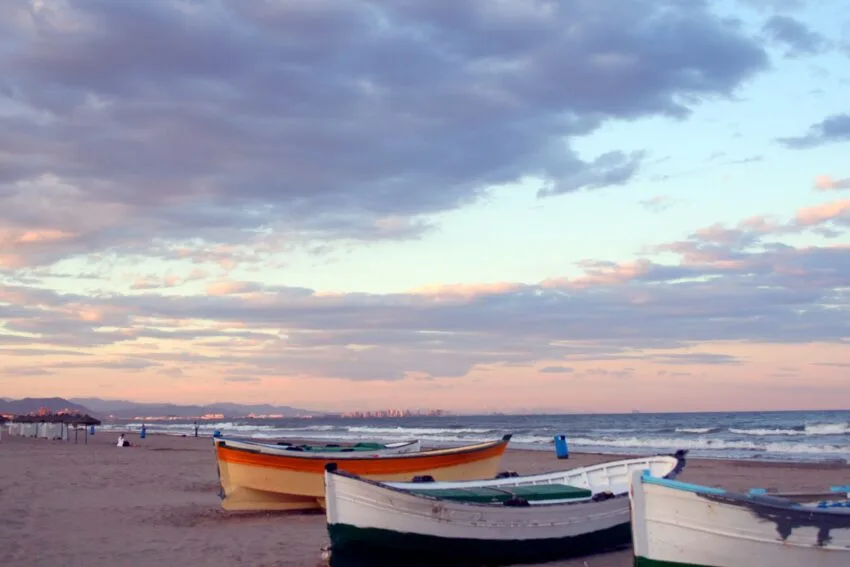


Valencia inaugurates its Museu de la Mar, a cultural space located in the Casa dels Bous de El Cabanyal-El Canyamelar. This museum, inaugurated on September 15, is a tribute to bou fishing, a characteristic craft of the city, and also a reference and meeting cultural space for the residents of El Cabanyal-El Canyamelar. The Casa dels Bous, a singular building, preserves and disseminates the maritime memory of Valencia, recovering the scenes, crafts and traditions that shaped the identity of this neighborhood.
The Museu de la Mar addresses the origin of the Casa dels Bous, the creation of the first fishing societies after the abolition of the guild system, and the fishing infrastructures and trades linked to the culture of the sea. It also dedicates itself to exploring the urban development of the maritime neighborhoods and popular devotion in this area of the city, favored by the dangers of the sea and the harshness of maritime life. This museum, the result of more than 60 years of efforts, is a living testimony to the maritime history and culture of Valencia.
The inauguration ceremony was attended by the mayor of Valencia, María José Catalá, and numerous representatives from the culture sector and the social and associative fabric of Poblats Marítims. The inauguration took place in the Casa dels Bous, an emblematic building that has been a direct witness to Valencian maritime culture. During the ceremony, horns recovered from the benches carved in the shape of a bull’s head on the balcony were displayed in the showcase, and a live demonstration of a weaver’s work was carried out.
The Museum of the Sea’s museum plan was developed by Rubén Pacheco, who carried out intensive historical and documentary research, and maintained contact with the people of Poblats Marítims to reconstruct maritime memory thanks to their testimonies, documents and personal and family stories. The task was challenging due to the scarcity of material remains of the maritime culture, but it was achieved thanks to the collaboration of entities such as l’ETNO and the Museum of Santa Pola, as well as people who have preserved and donated their family history to permanently integrate it into the Casa dels Bous.